
Celio · Roman archaeology
Start early for the scale of the ancient amphitheater.
Italy · Ancient stone, drinking fountains and Testaccio tables
Rome’s archaeology sits amid ordinary errands: a coffee bar, a church doorway, a lane opening onto the Forum. Balance the Colosseum with a quieter Testaccio meal and an evening crossing the Tiber into Trastevere.
When to go: April, May and October are good choices for open-air ruins and long walks without the most punishing summer heat.

Grippy walking shoes
Rome’s uneven cobbles and Forum paths reward stable soles.

Refillable bottle
Carry water for archaeological visits and use public drinking fountains where available.
Wide-brim sun hat
The Palatine has long stretches exposed to direct sun.
Sunscreen
Open-air ruins can involve several hours without reliable shade.


Breathable trousers or long skirt
One light outfit can handle warm streets and religious-site dress rules.

Phone battery
Timed tickets and winding historic-center routes call for reliable charge.
European plug adapter
Check Italian socket compatibility with your particular plugs.
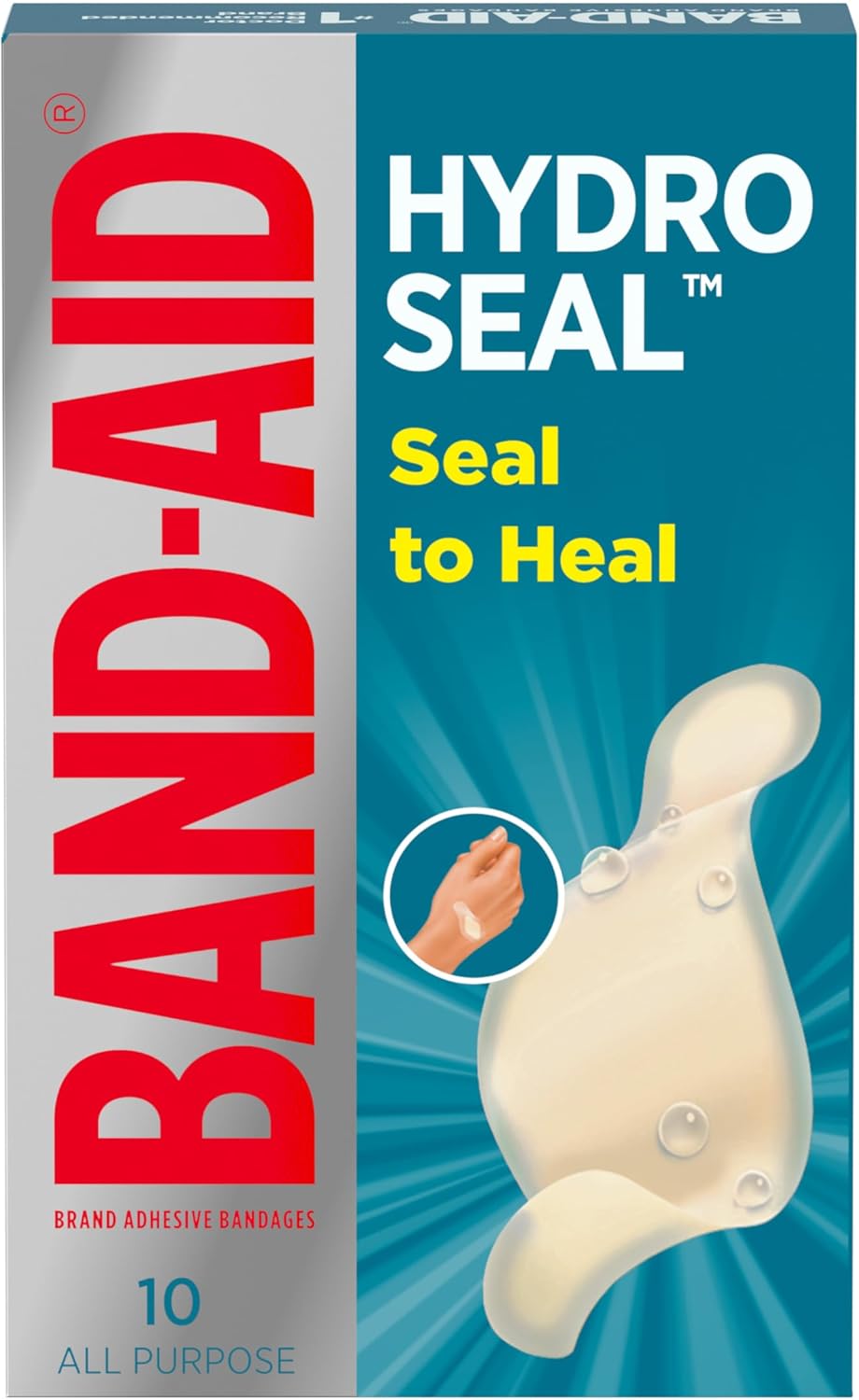
Blister care kit
Hard stone surfaces make minor rubbing worse over a full sightseeing day.
As an Amazon Associate Jolva earns from qualifying purchases. Prices are set on Amazon.
Celio · Roman archaeology
Start early for the scale of the ancient amphitheater.
Historic center · Ancient streets
Follow the ruins of civic and religious Rome below the Capitoline.
Palatino · Archaeological views
Look down over the Forum from the imperial palace remains.
Campitelli · Classical art
Pair the collections with the hilltop square above the Forum.
Trevi · Baroque Rome
Approach through the narrow streets to appreciate its theatrical setting.
Trastevere · Church art
Step inside the basilica anchoring the neighborhood square.
Testaccio · Quiet history
Visit the resting places of Keats and Shelley near the pyramid.
Trastevere · Garden pause
Take a leafy break beneath the Gianicolo.
Testaccio · Neighborhood meals
Explore the district shaped by the ancient amphora mound and traditional cooking.
Tomato, guanciale and pecorino dress pasta at Da Bucatino in Testaccio.
Where to find itChoose crisp-edged market pizza at Casa Manco in Mercato Testaccio.
Where to find itMordi & Vai in Mercato Testaccio fills rolls with traditional cooked meats.
Where to find itPecorino and black pepper make a spare Roman pasta; explore the trattorias covered in Katie Parla’s Rome guide.
Where to find itEgg, pecorino and guanciale define the Roman classic; Armando al Pantheon is a traditional address to investigate and book.
Where to find itA traveler staying in Testaccio appreciated the peaceful streets and abundance of bakeries, cafés and places to eat away from the largest sightseeing crowds.
Read the originalOne visitor returned to Il Testaccino for several aperitivi and liked its relaxed neighborhood feel.
Read the originalA contributor reported that Da Bucatino’s amatriciana was their spouse’s favorite meal of the visit.
Read the originalParaphrased from public traveler reports; follow each link for the original.
Routine immunizations
For Italy, CDC asks travelers to be current on routine vaccines, including MMR and influenza. Source
Hepatitis A discussion
Consider hepatitis A protection, particularly if your Italian itinerary includes street food or higher-risk food and water exposure. Source
COVID-19 readiness
CDC advises eligible travelers to stay up to date with COVID-19 vaccines before visiting Italy. Source
A summary of public guidance, checked on 2026-10-23. It's not medical advice: see a travel clinic or your doctor 4–6 weeks before you leave.
Book the correct dated admission through the official attraction channel; access to specialist areas depends on the ticket selected.
Two days allow an ancient-Rome day and a historic-center walk, but adding Vatican museums or distant neighborhoods makes that schedule rushed.
Its market and traditional trattorias make it a strong food destination; check service days and book popular dinners ahead.


