
Giza · Ancient Egypt
Give the monumental galleries a generous block of time.
Egypt · Pyramid mornings and koshary after dark
Cairo asks you to plan by geography: a Giza day for pyramids and the Grand Egyptian Museum, another for the lanes and mosques of the historic city. Between monuments, make room for a bowl of koshary and a slower evening on the Nile.
When to go: November–March gives cooler conditions for the exposed Giza plateau and long walks through historic Cairo.

Sunhat with broad brim
The Giza plateau offers little dependable shade.
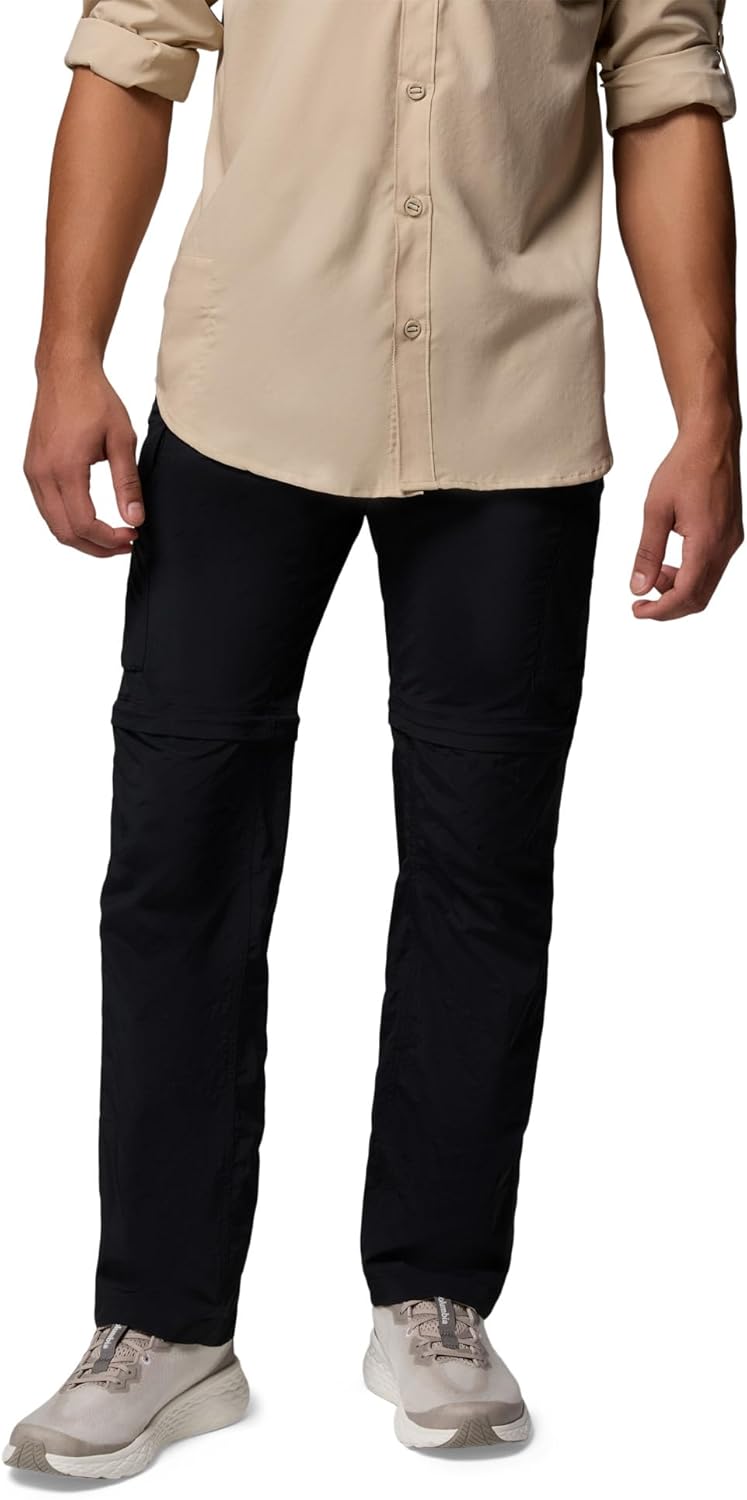
Lightweight long trousers
These balance heat management and coverage at religious sites.

Modest long-sleeved top
Use a loose layer for mosque visits rather than a heavy jacket.
Cushioned closed shoes
Dusty plateau paths and historic lanes can make sandals tiring.


Light evening jacket
Winter Nile-side evenings are cooler than midday sightseeing.
Spare phone battery
Ride-hailing and mapping are especially useful across Cairo’s spread-out districts.
As an Amazon Associate Jolva earns from qualifying purchases. Prices are set on Amazon.
Giza · Ancient Egypt
Give the monumental galleries a generous block of time.
Tahrir Square · Museum history
Visit the historic collection and its landmark Tahrir building.
Bab al-Khalq · Craft and design
Look closely at decorative objects from across Islamic cultures.
Fustat · Civilisation overview
Trace Egyptian life beyond a single dynasty.
Giza · Monumental archaeology
Arrive early for the open plateau and a licensed guided introduction.
Historic Cairo · Guided walking
Walk a corridor of medieval religious and civic architecture.
Historic Cairo · Market browsing
Browse the market lanes with time for a café pause.
Gezira Island · Evening wandering
Use the Nile island as a restaurant-and-café counterweight to monument days.
Rice, pasta and lentils meet tomato sauce and crisp onions; Abou Tarek is the downtown specialist to seek out.
Where to find itEgypt’s herb-filled fava-bean fritters are an easy introduction at Felfela.
Where to find itSlow-cooked fava beans anchor an Egyptian breakfast; try a downtown ful counter around the central markets.
Where to find itThis green, garlicky soup is a staple to look for at Abou El Sid in Zamalek.
Where to find itExplore the pastry and dessert shops around Khan el-Khalili for syrupy treats after a market walk.
Where to find itThe Serious Eats account describes Cairo’s food scene as a major draw in its own right, not merely sustenance between monuments.
Read the originalThe guide highlights family-run restaurants and regional cooking as a way to understand the modern city.
Read the originalThe writer finds the spice markets and street-food counters rewarding complements to formal restaurant meals.
Read the originalParaphrased from public traveler reports; follow each link for the original.
Vaccines for Cairo and beyond
CDC recommends hepatitis A for unvaccinated travellers to Egypt and typhoid for most visitors; also check routine immunisations. Source
Malaria
CDC does not list malaria preventive medication for Egypt; still prevent insect bites during Nile-side evenings. Source
Yellow fever certificate
Yellow fever vaccine is not recommended for Egypt itself; proof is required for arrivals aged 9 months or older from risk countries, including airport transits exceeding 12 hours. Source
A summary of public guidance, checked on 2026-10-23. It's not medical advice: see a travel clinic or your doctor 4–6 weeks before you leave.
Zamalek offers a Nile-island base for dining; Giza is convenient for the plateau and museum but less convenient for repeated trips to historic Cairo.
Yes, their Giza locations make this practical, but begin early and accept that a museum enthusiast may want a separate day.
No: the GEM is in Giza, while the historic Egyptian Museum remains on Tahrir Square; check the current collections before choosing.


